Hi, I am Kabiraj, कविराज.
I am from Nepal, the land of mountains and mystery.
My name is an occupational title given to the person practicing Ayurveda, a natural system of medicine.
Welcome to my contemporary digital CV, each year through the narrative of 4-5 photos
Last updated on: 23 June 2024
Mysterious year: 2024
I still haven't figured out what I'm doing for 2024, and it's already halfway through the year.
Hoping each moment to holds significance, as love can ignite in a flash and hearts can seperate just as swiftly.
Here's to a year of spectacular moments ahead!
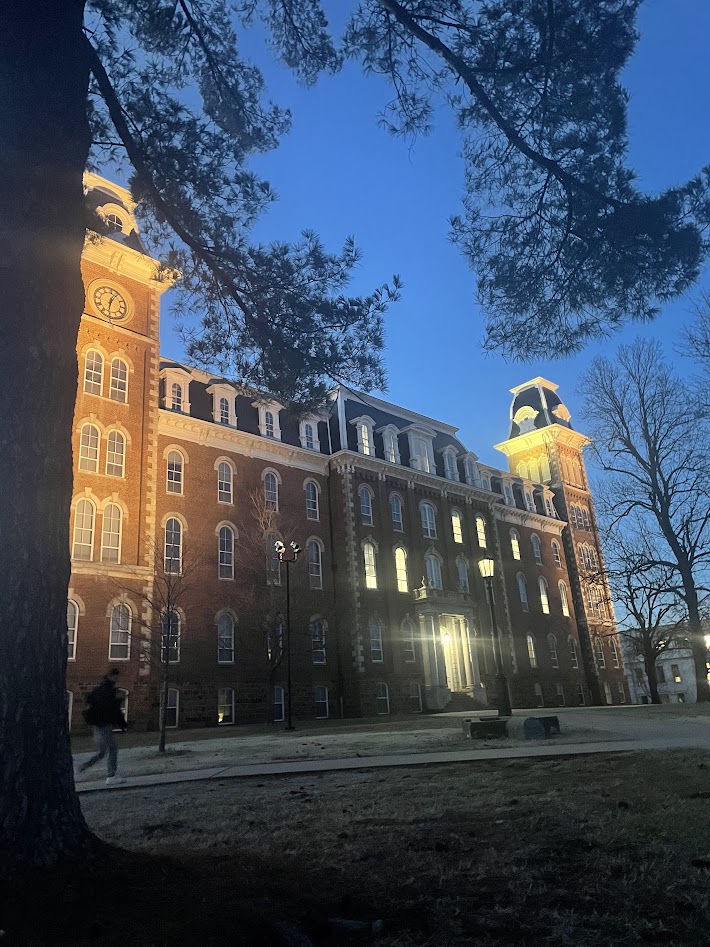
A long way to go.. #UARK
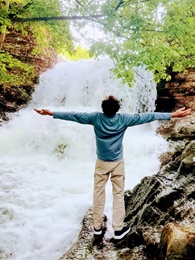
My receding hairline :)
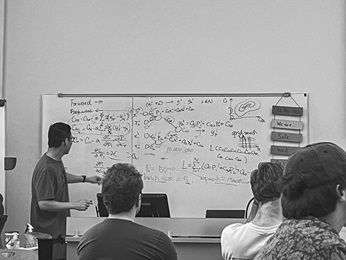
More classes to take
I am taking more classes at the college
Happy to witness total solar eclipse in April. I wish I could travel more this year.
Audacious year: 2023
I appreciate everything I had during this year: friends, food, new places, new meetings.
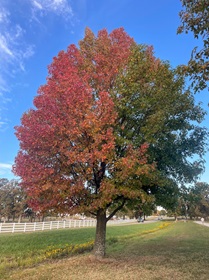
Yes, its a single tree, Fayetteville, AR
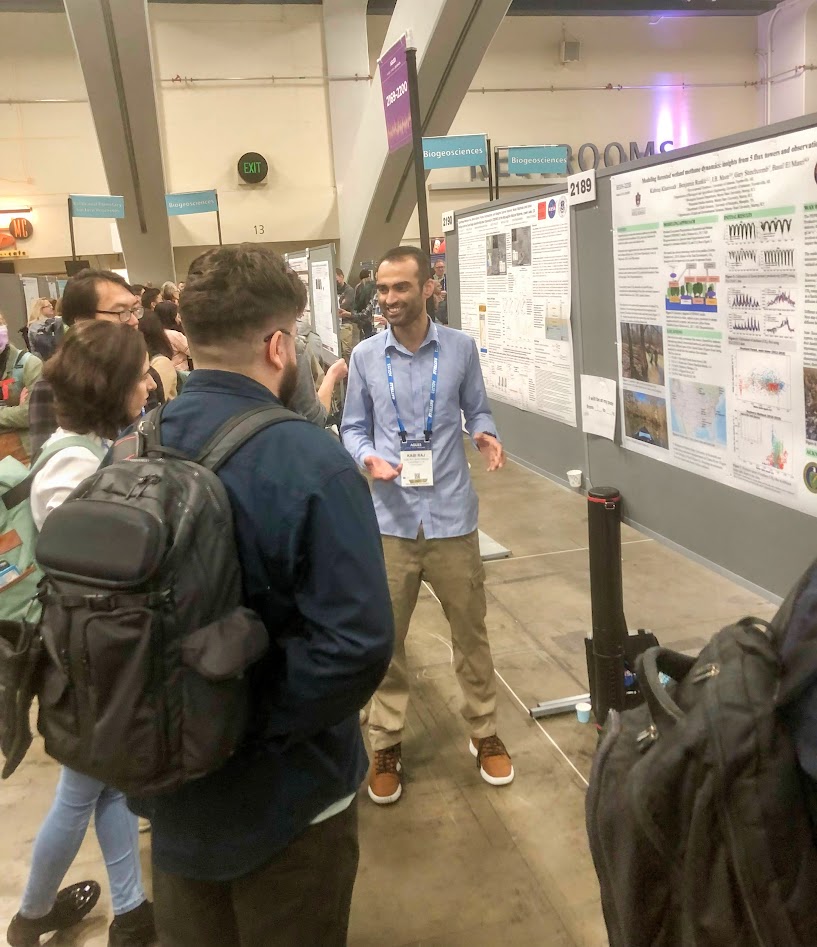
Thank you for being a lovely audience, AGU
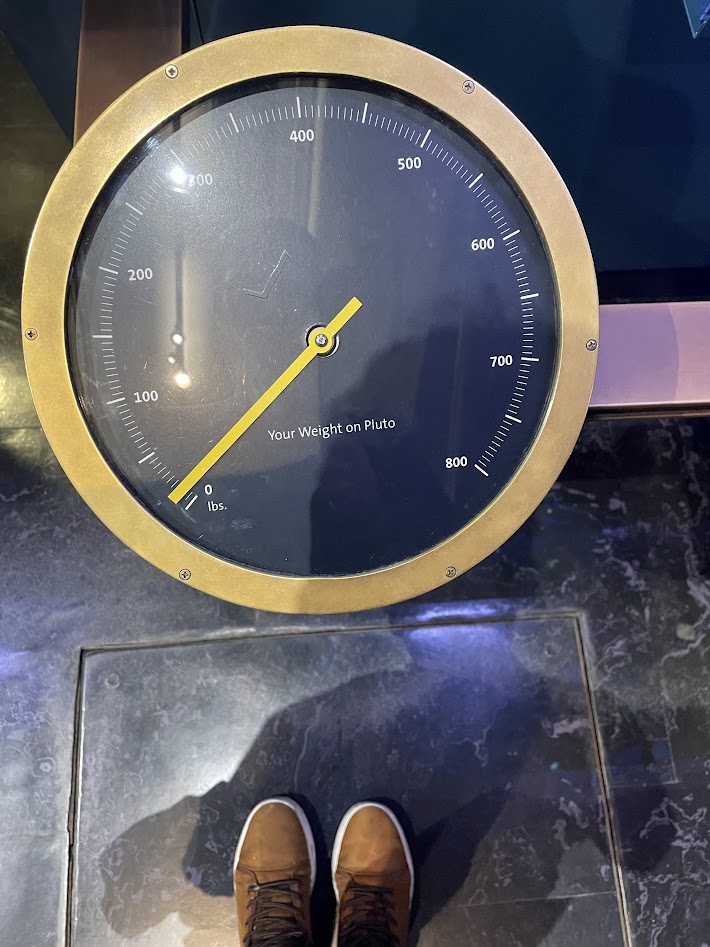
My weight, Griffith Observatory
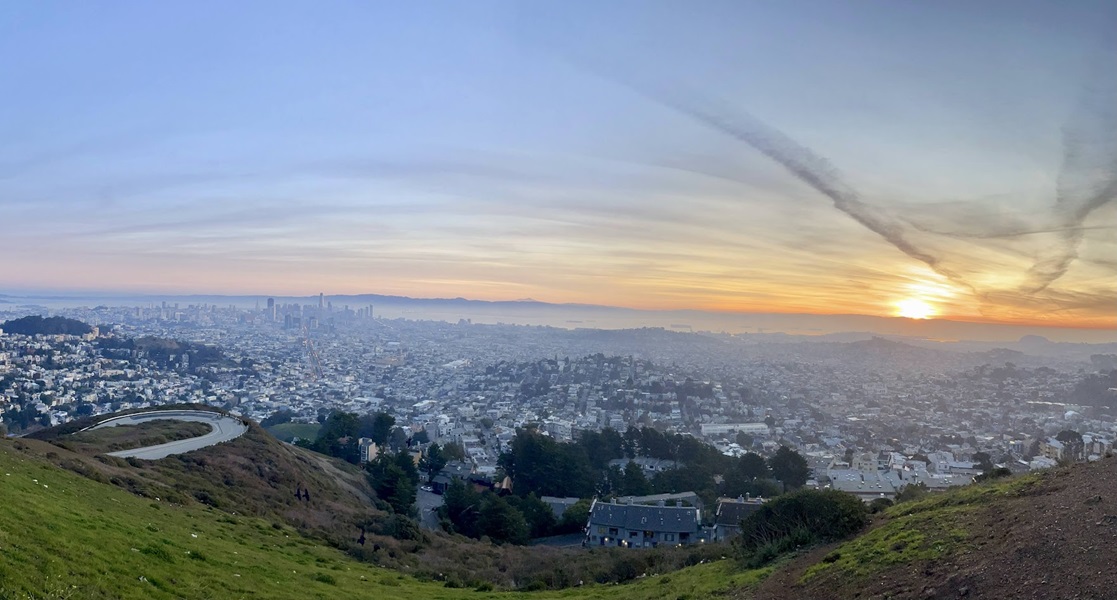
Sunrise, San Francisco
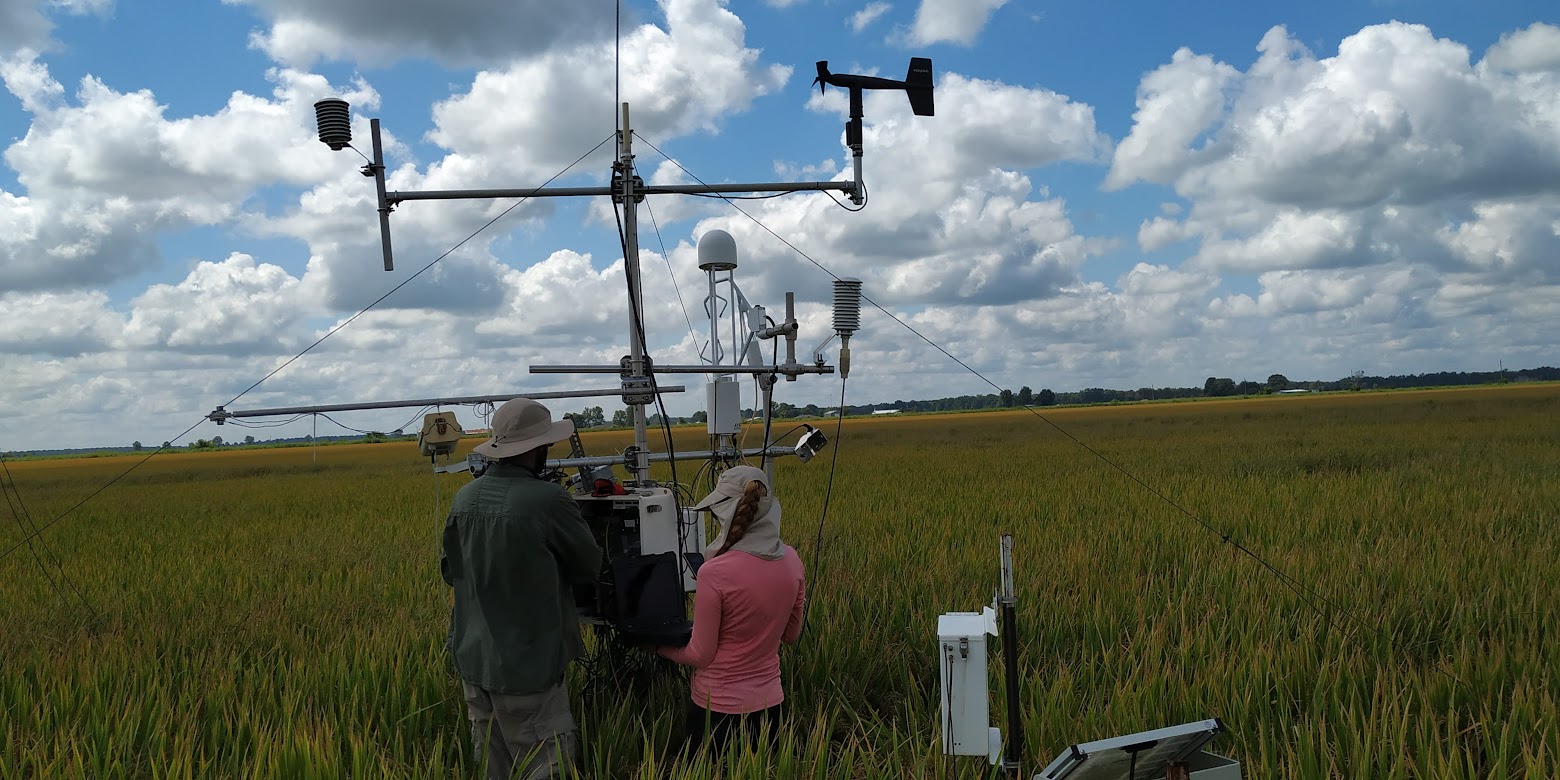
I play with the data obtained from these instruments
Traveled to the American Geophysical Union and Department of Energy's Environmental System Science PI annual meetings to share my work.
Transition year: 2022
Year 2022 marks a new beginning, as I decided to leave my job to pursue further education. I'm uncertain about what the future holds for me, but I told myslef let's do it.
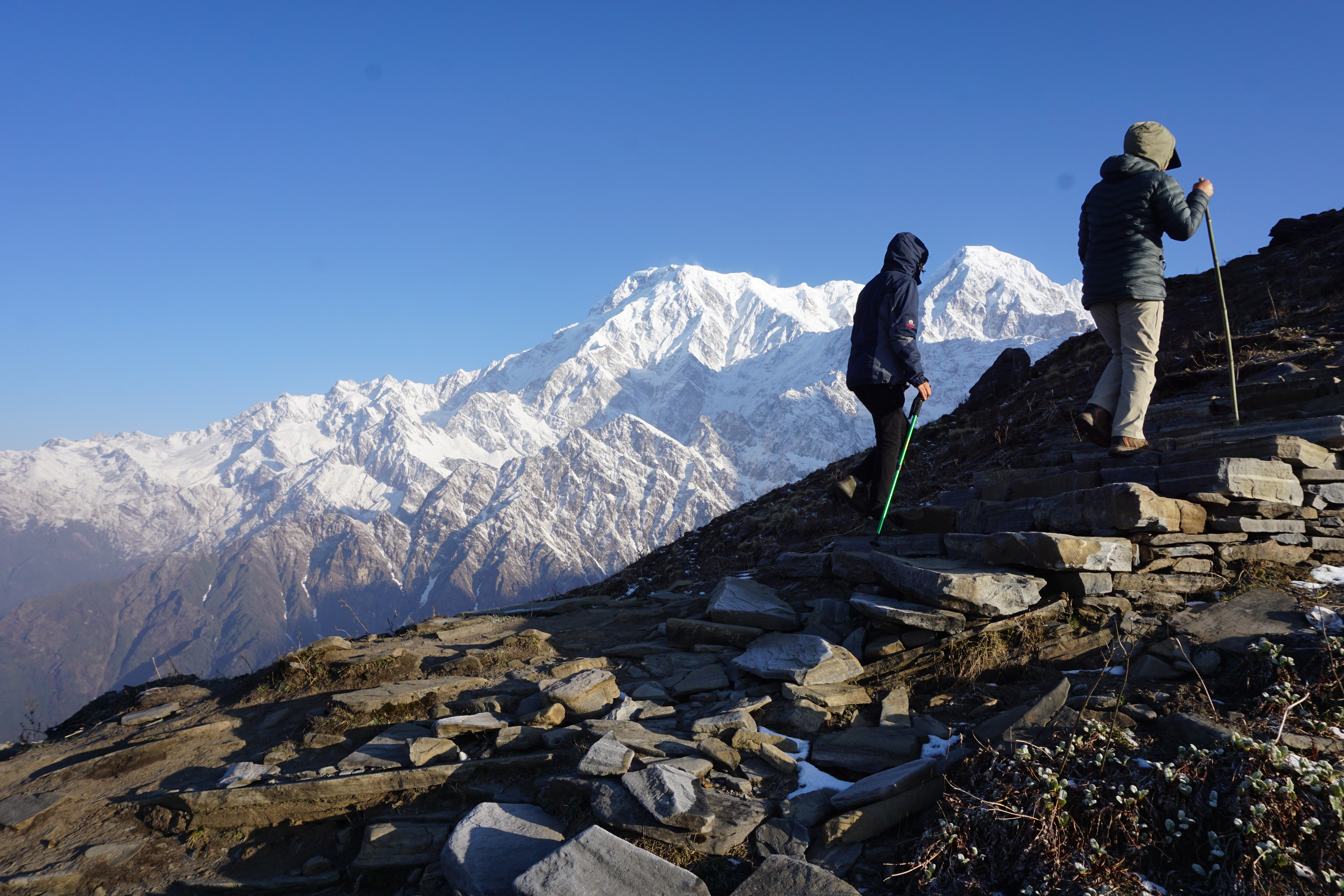
I have limited words to express my gratitude for both girls
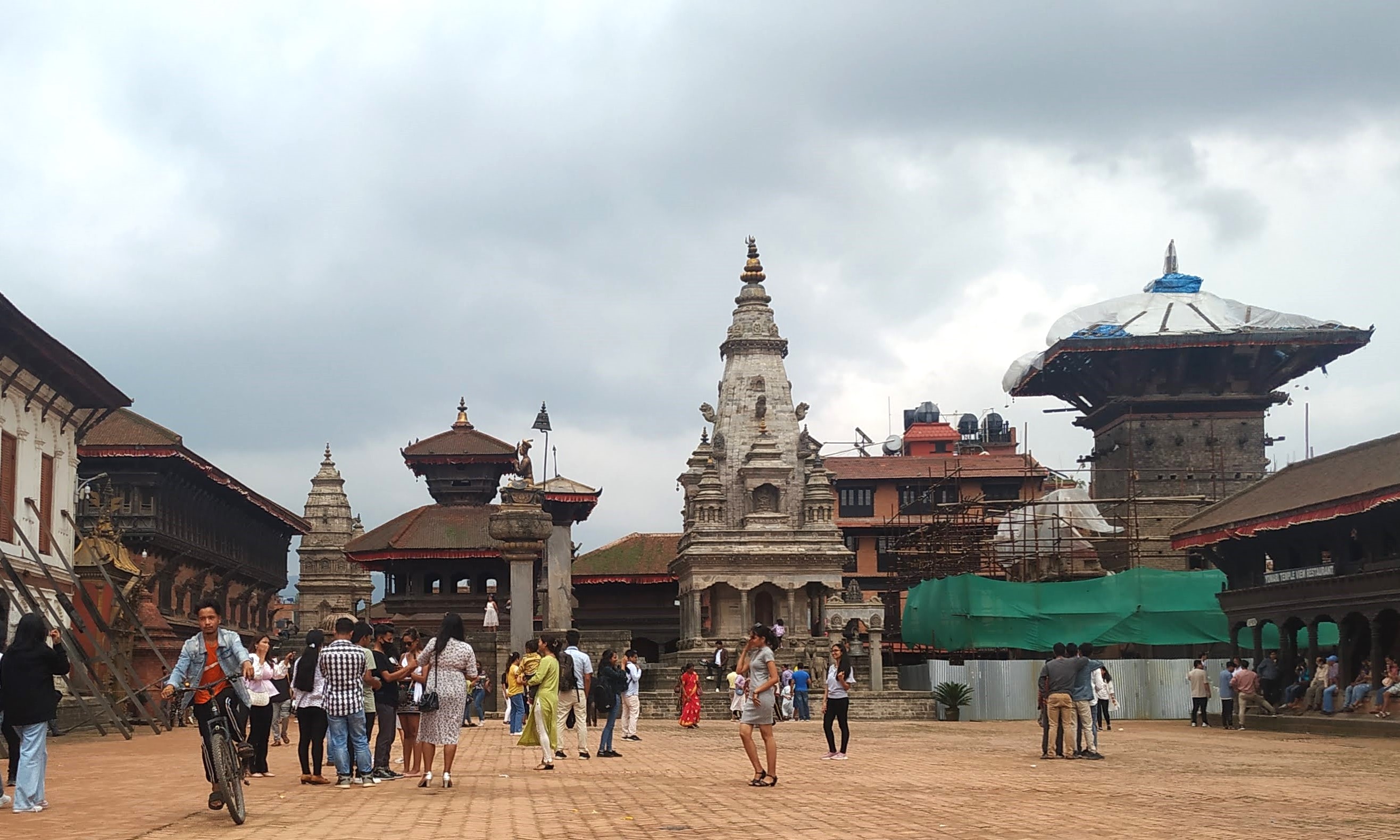
Here, if unseen at home/work
New place, and new faces.
Joined University of Arkansas, Fayetteville, AR
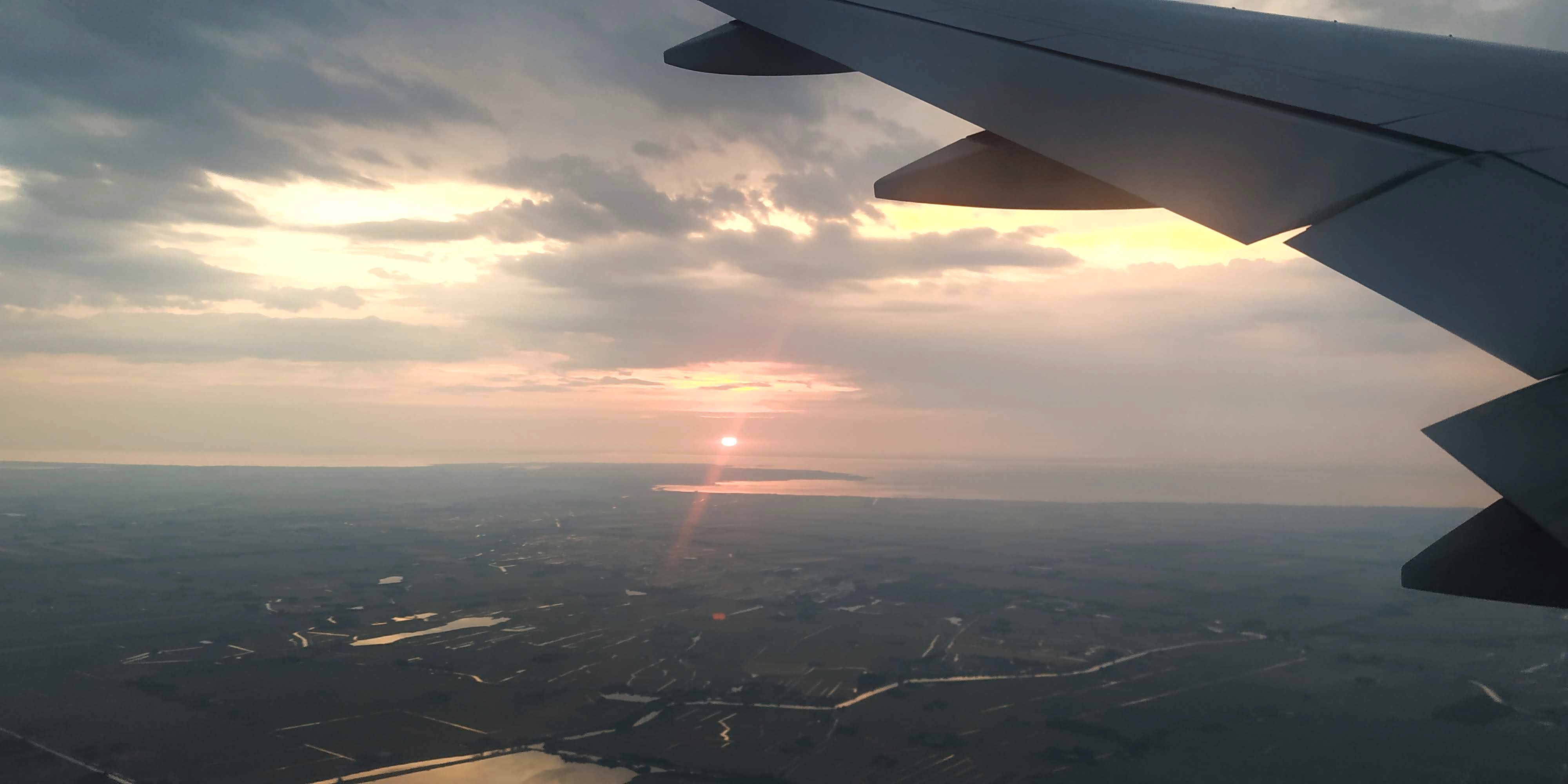
Sunrise, shuttle, subtle
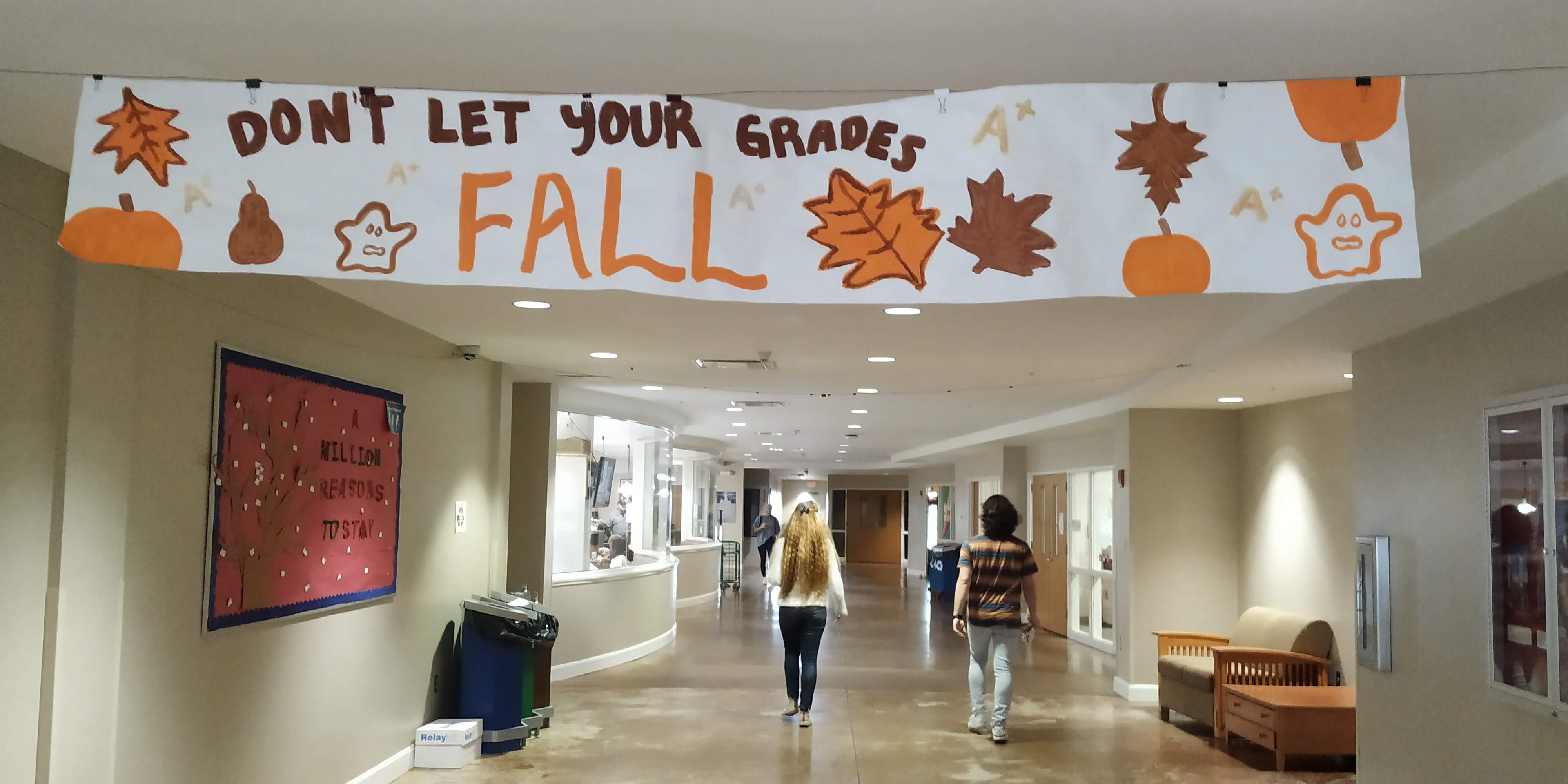
Mantra, UARK
Running year: 2021
Year 2021 was an attempt to go to normal after the pandemic. I traveled to Bangladesh to give training. Working from home was flexible, so many of us started to go to the office regurlay with mask on. During the weekends and breaks, I was eager to travel to different parts of Nepal.
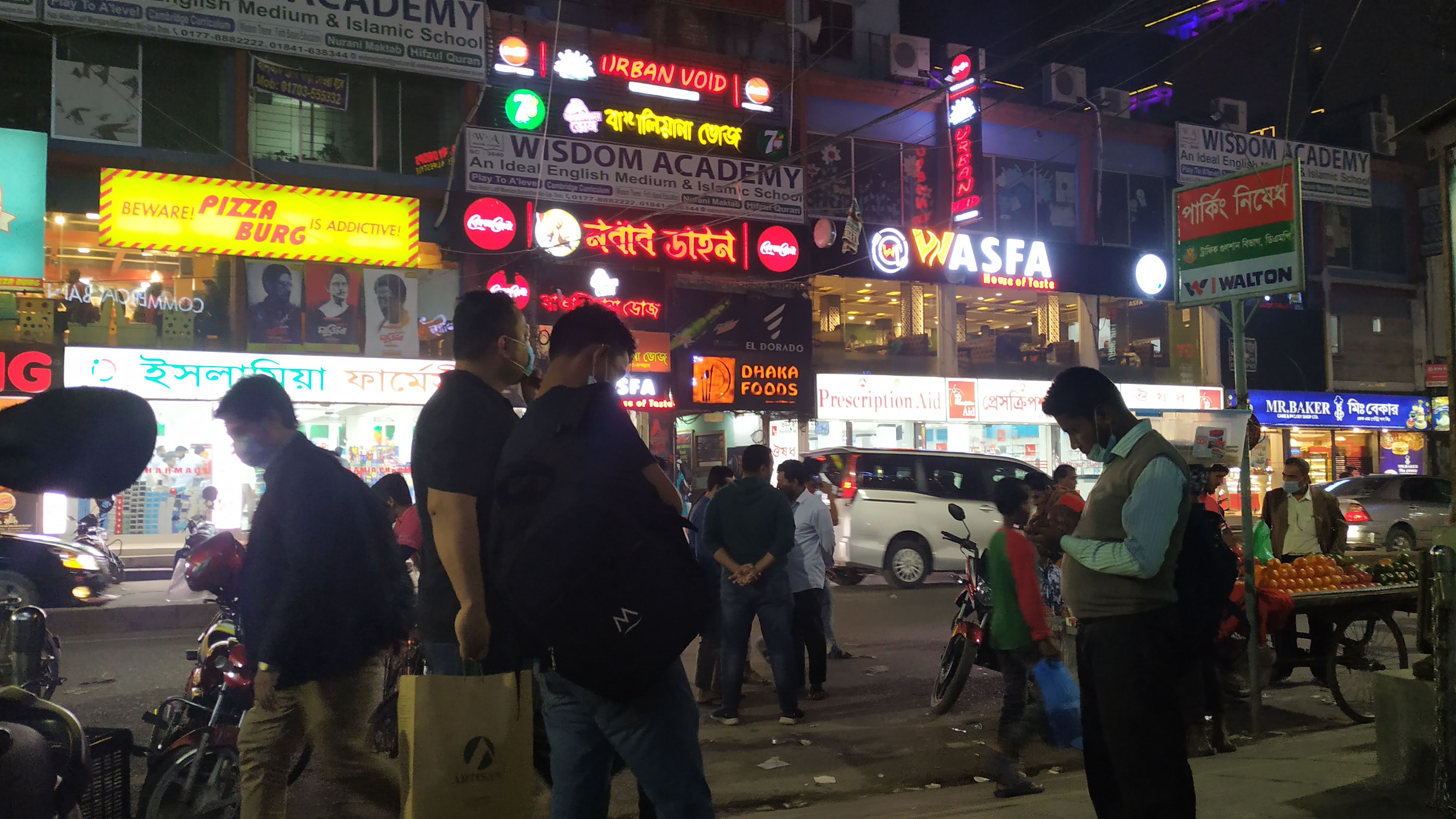
Shopping in Dhaka, Bangladesh
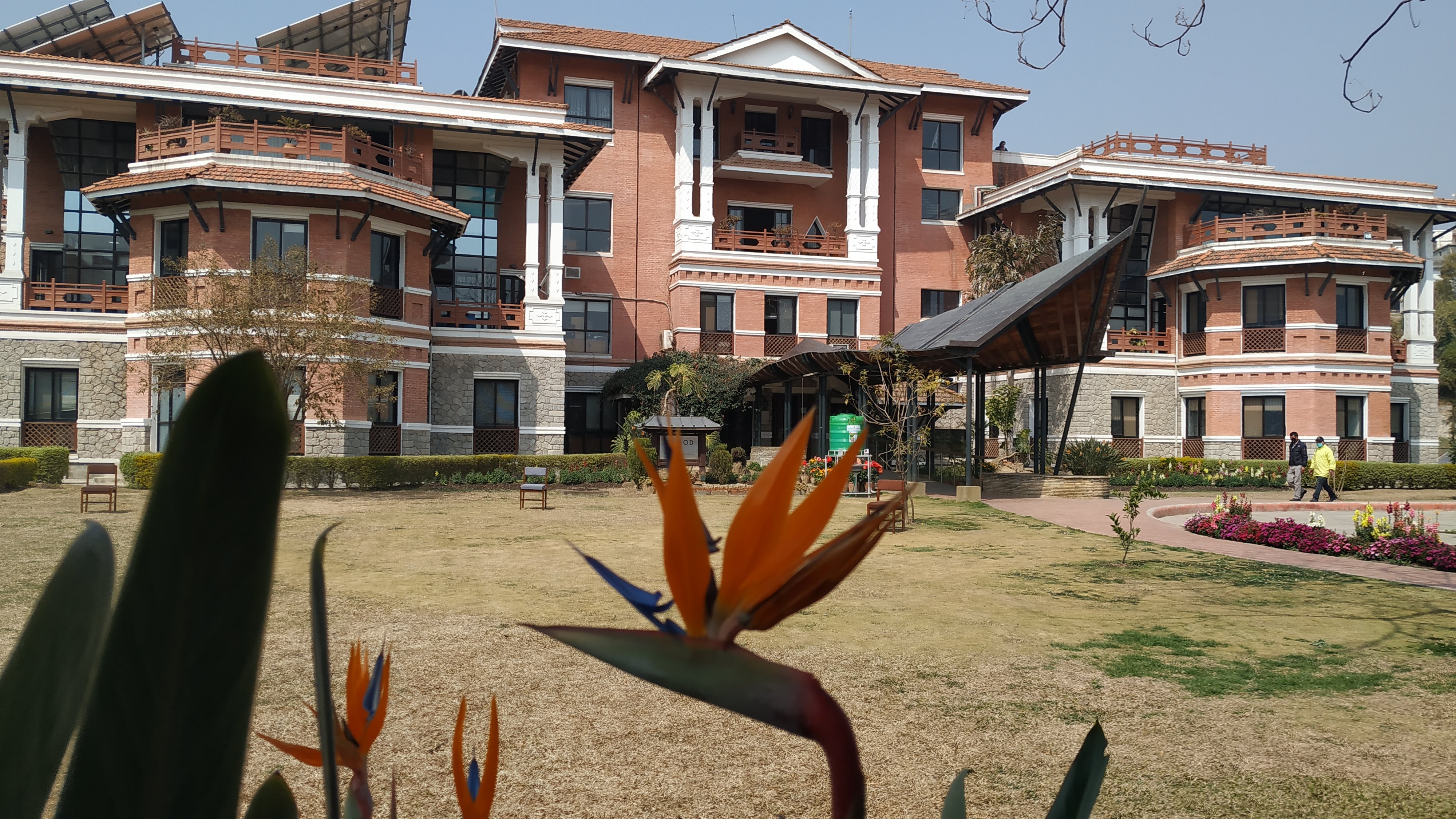
Just another regular day at office
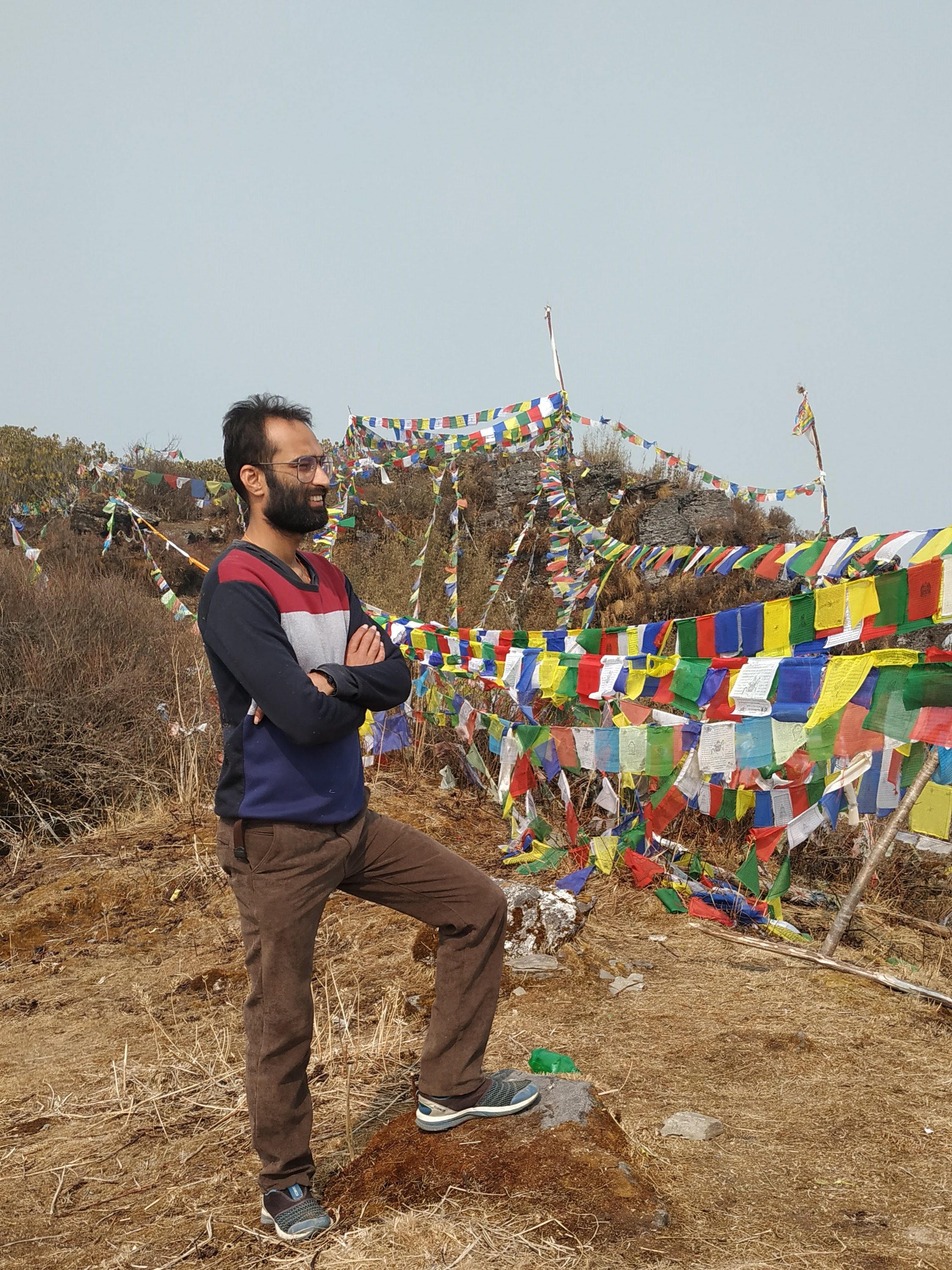
Hiking
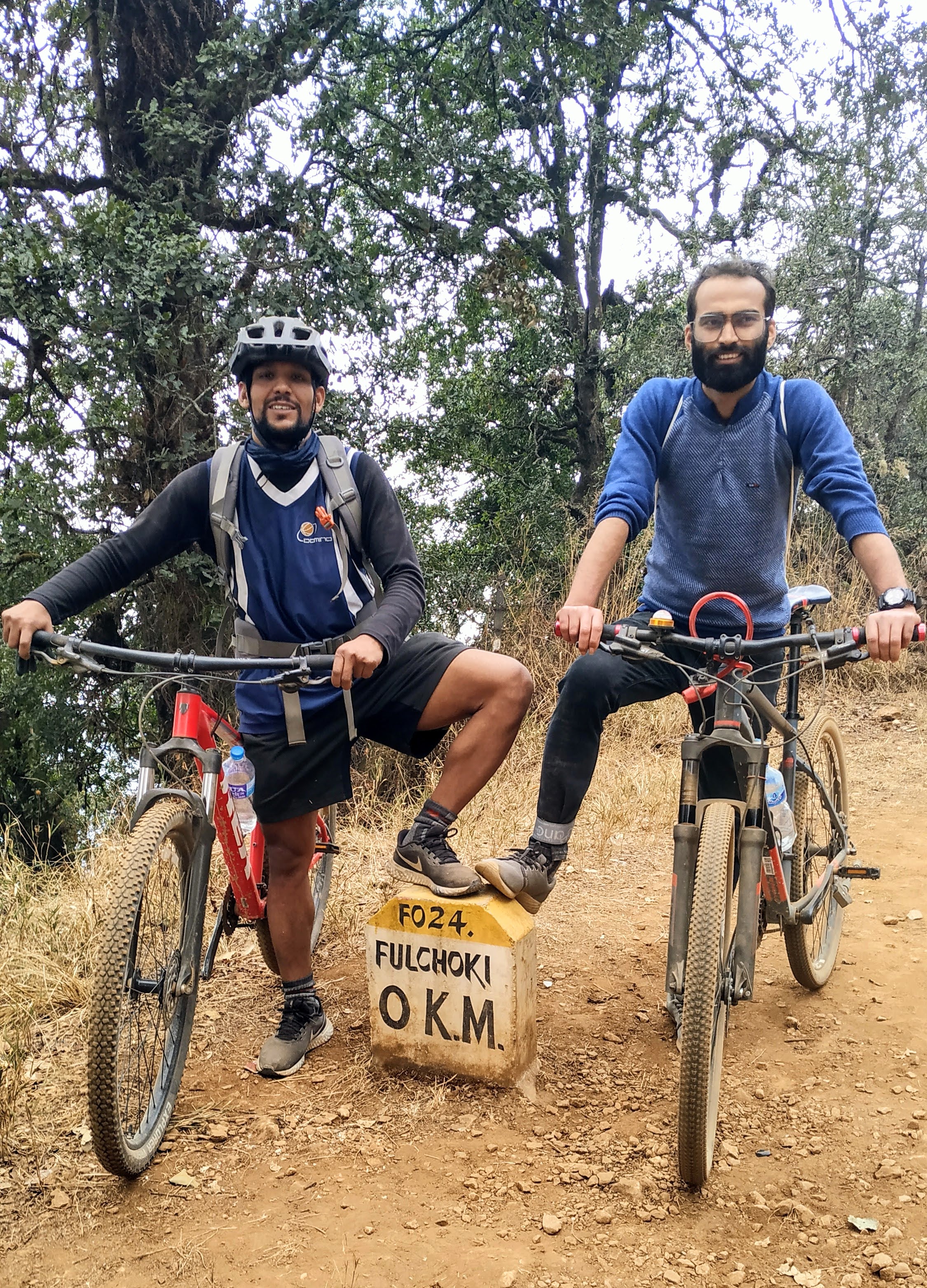
Biking
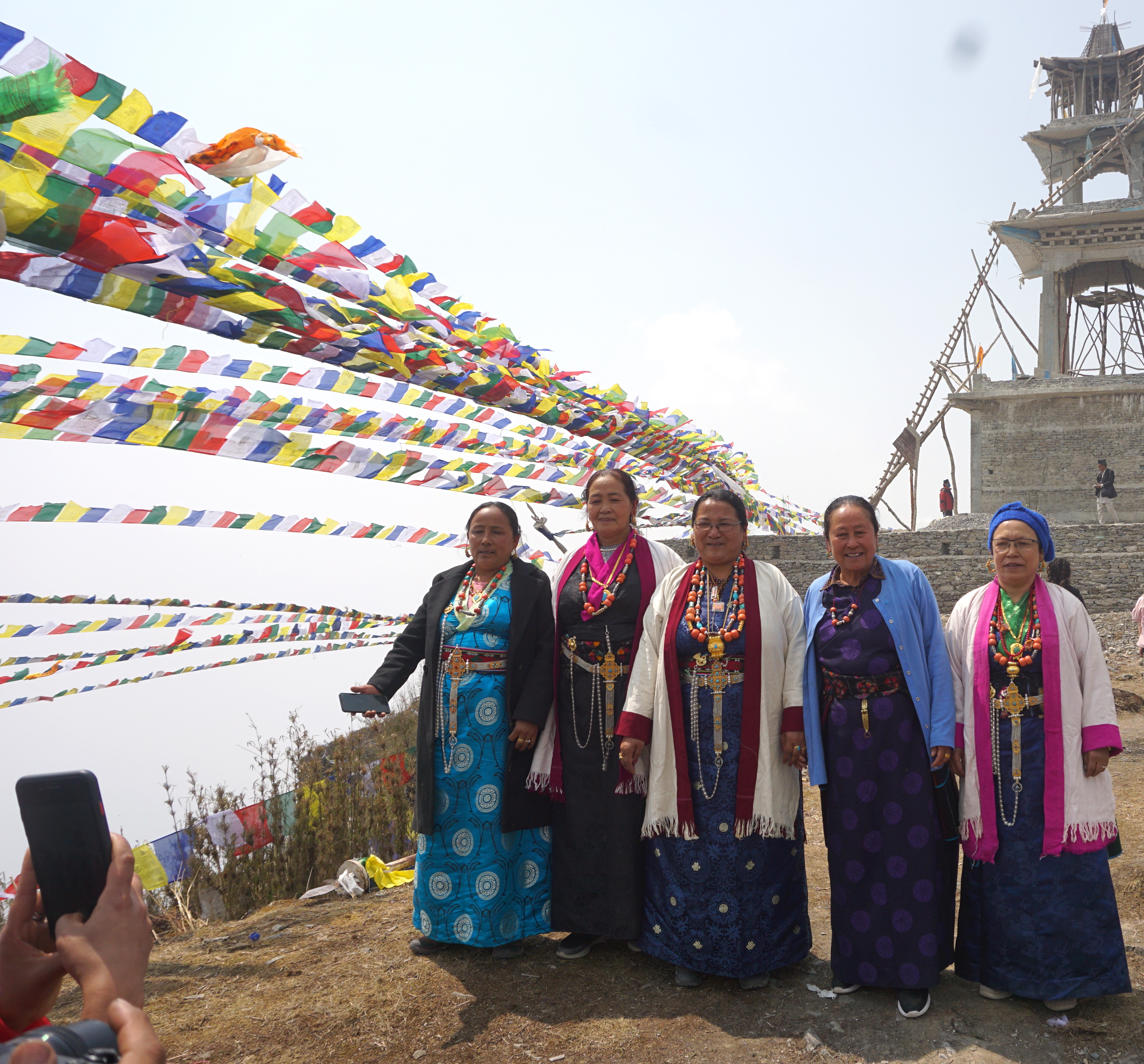
Embracing culture
Pandemic year: 2020
Till now, this year 2020, has been mostly desk-based work.
With these extra saved hours from not having to commute, I am learning data science. This enthusiasm helped me in the preparation of this website, and I have recently prepared an R package "analyzeJ2Kmodel", which will be helpful during the initial setup of the JAMS/J2000 hydrological model.
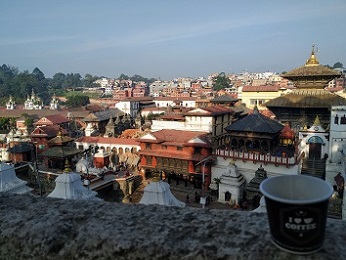
Coffee in Pashupatinath temple area
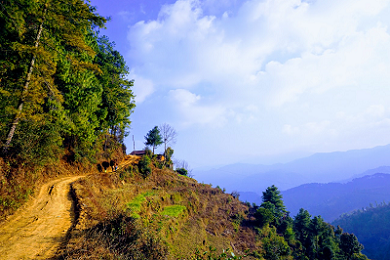
Landscape of Lalitpur area
I usually go for the short hikes during the weekends. The photo on the left is from Pashupatinath temple area a famous and religious Hindus temple complex. Likewise, the second image is from the Lalitpur area, I was hiking on that area on January, an ideal place for the short hike during the weekends.
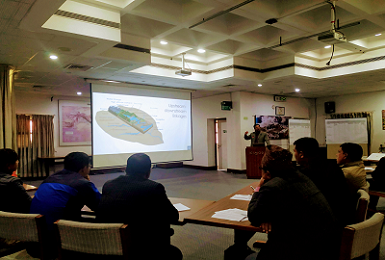
Recent workshop on water resouce management
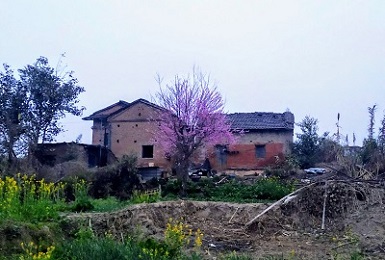
A house, small and beautiful
Multi-scale year: 2019
During the year 2019, I was mostly working for the Resource Book: Multiscale Integrated River Basin Management from a Hindu Kush Himalayan Perspective. I am one of the co-author in the first chapter: Conceptual understanding of river basin drivers and their implications for Integrated River Basin Management (IRBM). It lays the foundation of the concept of the IRBM and highlights the significance, for the better understanding of river systems.
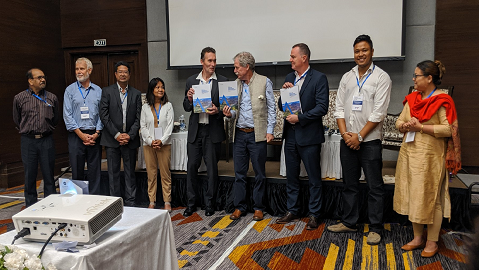
While working for the book, it was a awesome experience collaborating with the different authors and experts. As I was coordinating with the different authors for the different modules of the book, I was able to understand the different dimentions and the holistic approach of the river basin management.
For me, the approach of co-learning, and co-creating the knowledge on data analysis and water resouce management with the collaborators was win-win scenario. I along with my supervisor and collegue shared the idea on downscaling approaches and evaluated the future change in temperature and precipitation patterns, in the small catchment of the Himalyan region.
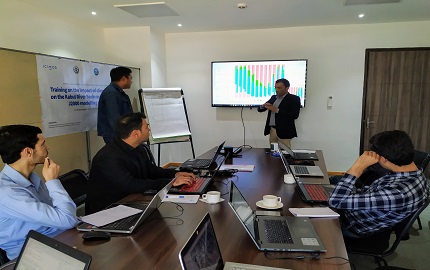
International forum on the Cryosphere and Society initiative, that bought together the experts from different parts of the world, who were working in the Himalayan region. The climate change-induced cryospheric changes, water availbility in the downstream, frequency and intensity of the hazards and its socioecological impact, mountain ecosystem were some of the interesting topics discussed in the workshop.
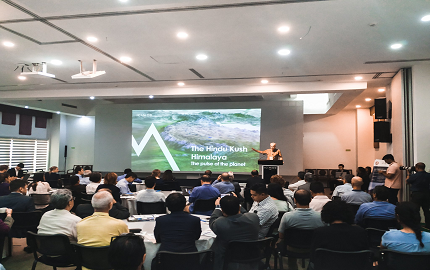
During the conference on October, I presented about the Karnali River Basin of western Nepal, highlighting the need of the detailed analysis on the future scenario and its significance for the water resource management.
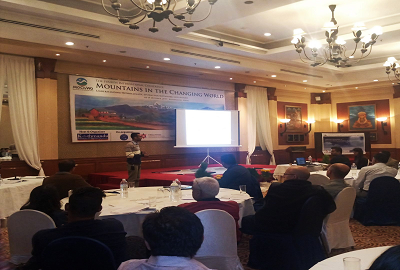
Exploration year: 2018
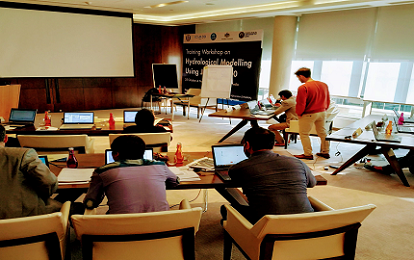 My first travel outside Nepal, to India, and as a trainer for the training. What a beautiful opportunity. The professionals and academics who were working in the water resource management sector were the participants. I was part of the Training on hydrological modelling using JAMS/J2000 enhances Afghan expertise in hydrological dynamics and water availability assessment
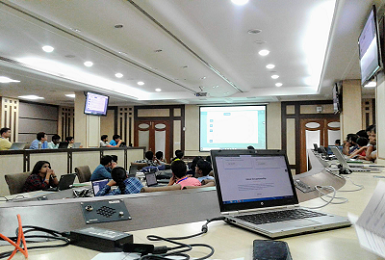 I was a participant for the science and training wokrshop, IITM, Pune. It is a famous place for its managed landsclape, presence of universities and governments investment in information and technology. During the training workshop we learned on the regional downscaling approach, and I was able sot share my experience of hydrological modelling,
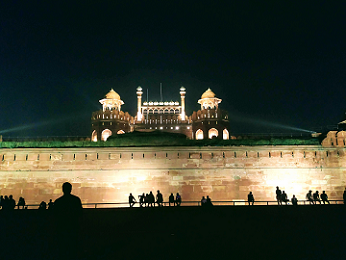 It was already late in the evening, and therefore we were not able to go inside the palace but this was really beautiful. Actually, the Red Fort Complex is the UNESCO heritage site, that was built as the palace fort Shan Jahan.The lighting in the evening was mesmerizing, we just watched it and stayed for nearly two hours praising the elegance of artificial lights and historical monuments. It is near to Old Delhi, and one of the memorable place that I have been.
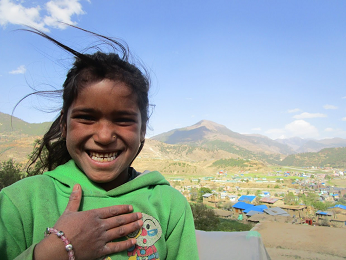 Nepal is rich in diversity of plants, animals, socio-cultural practices. There is altitude gradient from about 500masl to 8848 masl, within an span of 150 to 250 kilometers (from South to North). Likewise, within an span of about 880 kilometers there is diversity in the landscape, ecology, socio-cultural attributes and livelihood style (from East to West). Nepal is homeland for the interplay between the Westerlies and Asian monsoon.
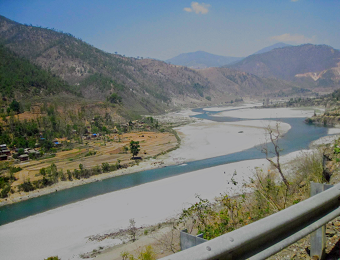 This year, was full of experiences and learnings. Travelled to different parts of Nepal and India, and explored about the climate change, data analysis, hydrological modelling in more details. Participanted in some of the social event, and meet with the interesting people.
Assemblage year: 2017
Year 2017 was all about field visits. I travlled to different parts of Nepal, for supporting the governmental policy in preparation of the community based adaptation practices. Travelled to Karnali watershed for understanding the aquatic biodiversity (especially macroinvertebrates) and exploring the impact of climate change and developmental activities
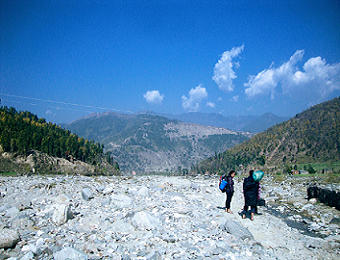
On the way to collect the sample
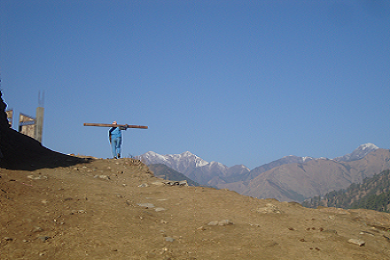
Landscape of Bajura
The visit to Karnali watershed was really interesting and inspiring for me because I was supporting in the field visit for my teacher, who had taught me during my school days. Its great feeling to be connected with the teachers who had highlighted the significance of scientific research during my school days. Those act of generating/supporting curiosity has played vital role in me for working in the research sector.
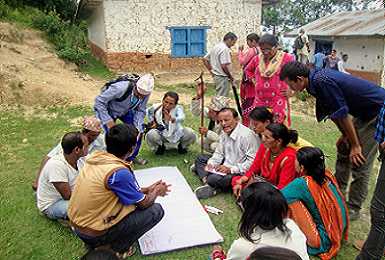
Interaction with the community members
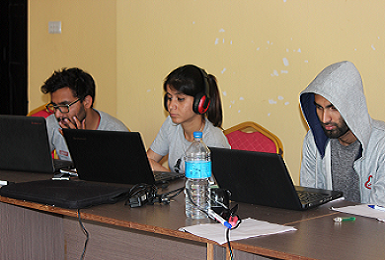
Observing the field data
Community are the source of knowledge. To hear the local voices, highlight their opinions, and encourage the government to prioritize them in the plan of action was challenging yet it was fun and informative. It was also intersting task to properly digitize/arrange the data in an effective way so that the required information could be extracted efficiently and the authorities/stakeholders can quickly get what they are searching for.
The hard work in the field is refreshed by the beautiful landscape, healthy food, cultural identity and hospitality of the local people.
Vote of thanks:
Thank you so much for dropping by
Is this the first time you have seen this type of CV ?
I am just an email away from you all.
Yen-Chia (http://yenchiah.me/) for sharing the website templete.